Our Blog
Insights and tips for self-storage success
Modern storage options offer online booking and improved security, yet hidden fees, outdated tech, and logistical issues still persist.

Written by: Miles Davison
Data validated by: Storeganise team
Published: 2025-10-25
Remember when renting storage meant endless phone calls and driving around? That's mostly changed now - though you'll still find some places stuck in the past. Most storage companies have finally caught up with modern technology, and honestly, it's about time.
Online booking has become the norm (well, at most places anyway). You can check prices, pick your unit size, and sort out the paperwork without leaving your house. Just watch out for those websites that show you one price then hit you with extra fees later - that's still a thing, unfortunately.
Speaking of unit sizes, here's what storage companies don't always make clear:
A 25 sq ft unit sounds big until you realize it's just a glorified closet
Their size guides often assume you're some kind of tetris master
That 50 sq ft unit probably won't fit your entire 2-bed house, despite what they claim
Bigger isn't always better - you'll just end up paying for empty space
Most storage places make moving in sound simple. In reality, there are a few things to consider:
Loading bays are often shared - expect to wait during busy periods
Those "free" trolleys? Limited supply and often broken
Lifts break down more often than you'd think
Access hours might be shorter on move-in day
That "helpful" staff member might disappear during lunch
Some practical tips:
Book your move-in for mid-week if possible - weekends are chaos
Check the route to your unit before moving anything
Bring your own trolley if you can - thank me later
Get measurements of corridors and lifts if you have large items
Take photos of everything before you start unloading
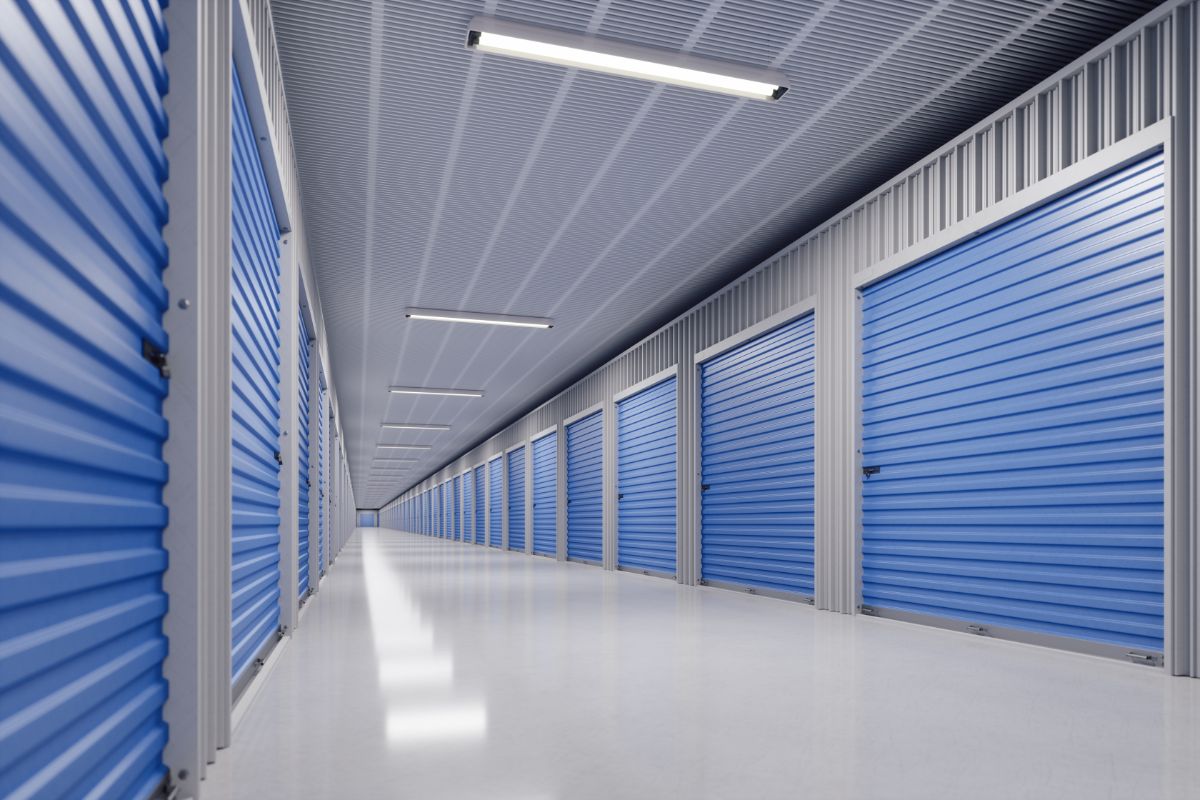
Modern security is pretty impressive too. Instead of just a padlock and a promise, good facilities now have proper CCTV coverage, individual unit alarms, and secure entry systems. Some even let you track who's accessed your unit, which might seem like overkill until you actually need to check.
What to actually look for:
CCTV that's monitored, not just recording to nowhere
Working security lights (visit in the evening to check)
Staff who actually walk the site, not just sit at a desk
Entry systems that record who comes and goes
Decent perimeter security - not just a flimsy fence
Climate control is the latest buzzword, but let's be real - most places just mean they have basic ventilation. If you're storing anything valuable or sensitive, check what "climate controlled" actually means. Some facilities charge premium rates for basically having a fan in the ceiling.
What really matters:
Proper weatherproofing (check the seals around unit doors)
Decent ventilation throughout, not just in premium units
No visible dampness or musty smells
Regular pest control (ask about this - many don't do it)
Storage insurance is one of those things nobody thinks about until they need it. Some places try to sell you their own expensive policies, while others leave you to figure it out yourself. Here's what you need to know:
Basic storage insurance often excludes the most common problems
Check if your home insurance covers stored items first
Those "premium" policies? Read what they actually cover
Most places won't let you store without insurance - but they don't always mention this upfront
Cheap insurance usually means high excess charges
Most places now offer mobile apps. They're nothing special - usually just for checking your account and paying bills. Some try to add fancy features nobody needs. Focus on the basics: can you pay easily, check your access history, and get help when something goes wrong?
Storage companies have finally started using decent booking systems - though some are better than others. The good ones keep track of everything in one place: your details, payments, access times, and any issues you've reported. No more explaining your situation to five different people when you have a problem.
Take Henfield Storage in London, for example. They've invested in proper cloud-based systems to handle bookings and customer information. While some places still run everything on computers from the dark ages, Henfield's setup means your information is actually there when you need it - whether you're booking online or calling with a problem.
Some places still run everything on ancient computers that crash more often than they work. But the better facilities have moved to cloud systems that actually work. This means:
Your booking details don't mysteriously disappear
Staff can actually find your information when you need help
Payment records are accurate (keep your receipts anyway)
Problems get logged and tracked properly
You're not repeating yourself every time you call
Just don't get too excited when storage places brag about their "advanced technology." Sometimes it's just a fancy way of saying they've got a working computer system. What matters is whether it makes your life easier - can you book without hassle? Do they remember your details? Do problems get sorted quickly?
Watch out for places that make a big deal about their "customer relationship systems" but still can't find your booking when you show up. The technology is only as good as the people using it.
This is where you discover if a storage facility is actually any good. All that technology means nothing if you can't get hold of someone when there's an issue. Check their real opening hours (not just what's on the website), and what happens if you need help outside those hours.
Storage companies love advertising "flexible access hours," but the reality can be different:
* 24/7 access often means paying extra
Bank holidays might have restricted hours - check these
Some places reduce hours in winter
Staff hours and access hours aren't always the same
Emergency access might cost you extra
Once you're in, maximizing your storage unit takes some planning:
Create an aisle - you'll thank yourself later
Keep frequently needed items near the front
Stack boxes properly - crushed boxes topple eventually
Leave space for air circulation
Label everything, including which way boxes should face
What not to do:
Don't stack furniture on soft items
Avoid storing anything directly against walls
Never assume you'll remember where things are
Don't block your own access to the back
Skip the temptation to just throw things in randomly
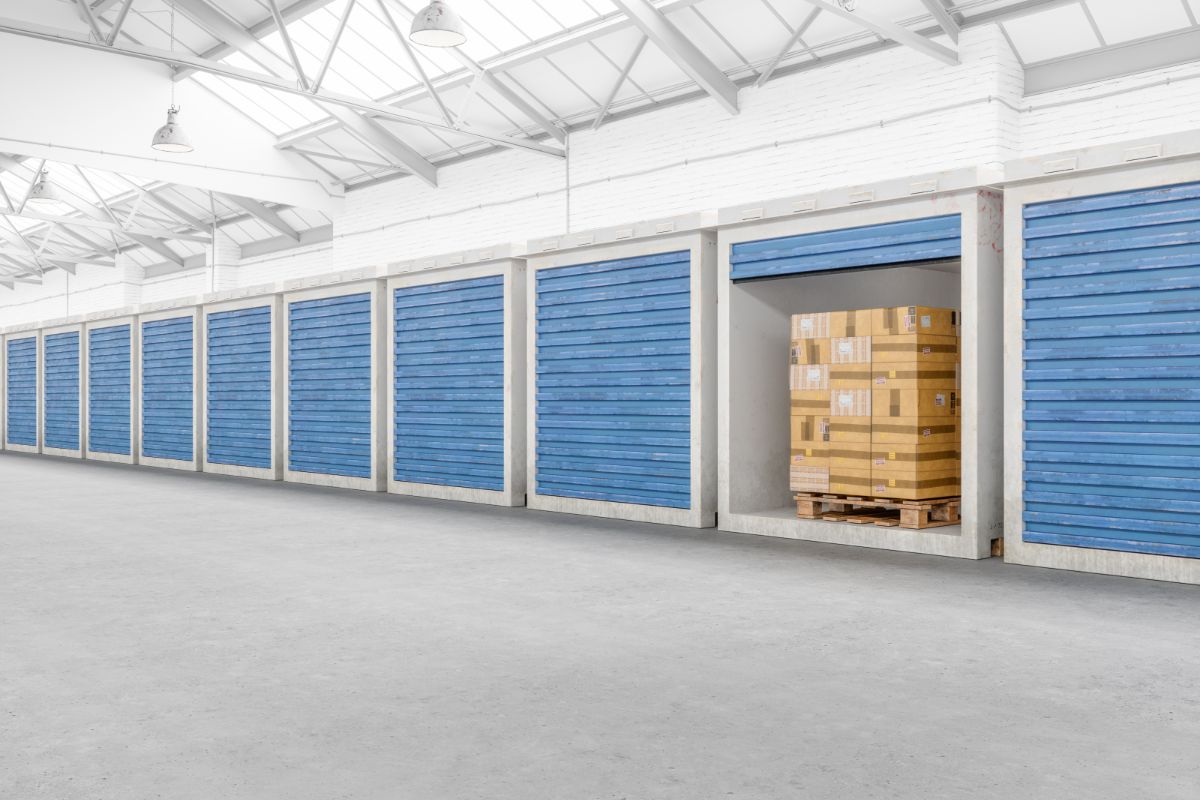
Storage pricing isn't as straightforward as it should be. Watch out for:
Insurance costs (almost always extra)
Administrative fees (shouldn't exist, but some still try)
Lock fees (some places insist you buy their overpriced locks)
Notice periods (can catch you out)
Minimum terms (often longer than advertised)
Special offers" that jump up after a few months
Some tips from experience:
Check their Google reviews, but read the negative ones first
Visit without an appointment - see how they handle unexpected visitors
Ask about price increases - they won't mention these unless you do
Check access hours carefully - some restrict them to save money
Look at their emergency contact process - you might need it
Storage has definitely improved, but it's not perfect. Yes, you can book online and manage things from your phone. Yes, security is better than it used to be. But you still need to do your homework and read the small print.
If you're looking for storage, you're in a better position than you would have been five years ago. Just remember - a fancy website doesn't always mean good service, and the cheapest option isn't always the most expensive in the long run.
And one last tip: negotiate. Storage places rarely advertise their best rates, and there's usually room for discussion if you're storing long-term or during their quiet periods. What's the worst they can say? No?
Miles Davison has been the CEO of Storeganise since its inception in 2015, bringing a wealth of experience from his diverse background in logistics, investment banking and business management.
View bio